
Eu te amo, Brasil.
Brazil's precocious elimination from the World Cup and general feelings.


There are very few vivid moments from my childhood that I hold onto so dearly, that I remember as if they happened yesterday. One of those few is the day Brazil won its fifth World Cup title in 2002.
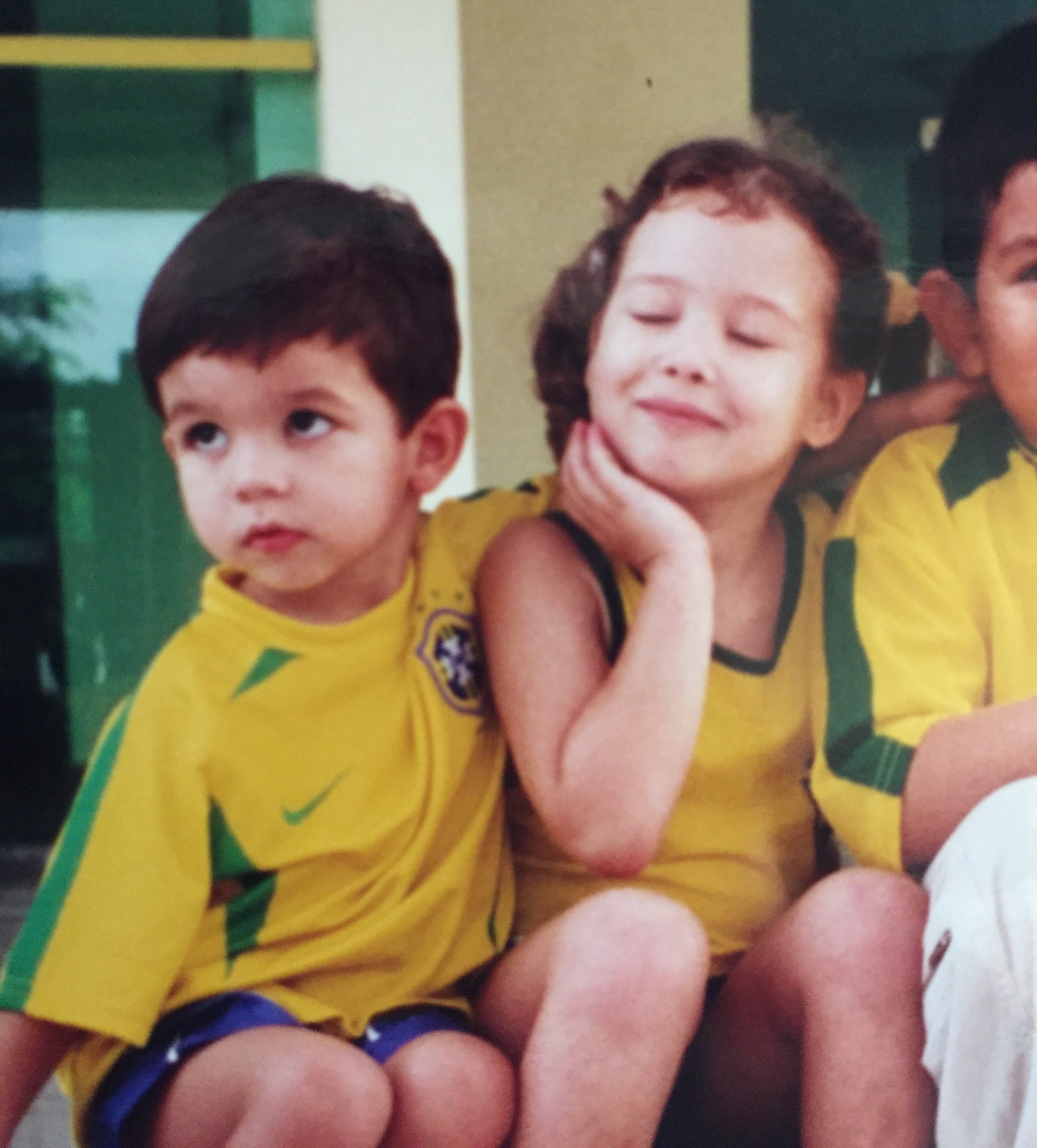
We were at my grandpa’s house, as we always were for Brazil’s games. It was seven in the morning, and I imagine my mom and dad had woken up the way any average Brazilian does on a game day — with an anxiety so extreme you’d think we were the ones about to step onto the pitch. You can’t eat. You can’t drink. You can only breathe, and even that feels like too much. Every pass, every whistle, every wrong touch sits in your chest like a held breath.
When they won, my uncle Benjamin lifted me so high that I hit my head on the ceiling. And there I was, in the middle of it all — tears of pain streaming down my face — surrounded by tears and smiles and hugs of pure joy. We were penta, Rachel, your head will deal with that later. It doesn’t matter what your nationality is. You can only truly understand this if you are Brazilian.
A Sociological Analysis of Brazil When We Play
There is no such thing as a normal workday when Brazil plays. Stores shut down. The streets empty out. Everyone is home, or with family, or with friends. And this isn’t laziness or a national excuse to skip work — it’s something much deeper. We are the only nation on earth with five World Cups, and that fact is not just a number to us; it is identity, it is inheritance, it is pride. Soccer is woven so tightly into who we are that stepping away from it during a match would feel like stepping away from ourselves. So we take it seriously. Deadly seriously. And here is the thing every foreigner misses: even the Brazilian who swears up and down that they “don’t care about football” will somehow know the lineup, the score, and exactly which referee robbed us in which minute. Indifference is a performance. Underneath it, everyone cares, because caring was never a choice — it’s cultural, passed down from grandparent to parent to child like a surname, like a recipe, like a religion.
So we bend our entire schedule around the match. If the game is at four in the afternoon, lunch starts at noon, and the celebration stretches long past the ninety minutes of play. We call it resenha — that lingering, laughing, food-and-family time that has no real translation into English. If the game is in the morning, we throw a breakfast. And if you find yourself watching from abroad, far from home, you seek out a Brazilian bar, a Brazilian restaurant, a Brazilian anything. You befriend total strangers. You laugh with them, you scream with them, you rejoice with them. For ninety minutes, they are your family too. People pull out their talismans of good fortune — maybe a shirt from 1994, maybe a shirt from 2002, so faded and stiff from years of superstition that it can barely be worn. But who cares? If we don’t wear it, Brazil doesn’t win the game. That’s just how it works.
And notice the language, because language always gives a culture away: we don’t say “Brazil is playing.” We say we. It’s a small word that carries an entire sociology inside it. We have a parasocial bond with these eleven players — we don’t know them, we will never meet them, and yet we have handed them the impossible job of being us for ninety minutes. We expect them to be the best in the world, and we expect them to carry that weight without flinching, because for those ninety minutes they are not athletes, they are our representatives. They are the image of our love, our resilience, our joy, our whole country distilled into eleven bodies on a field. Not our politicians — never our politicians. When we look for something that actually represents Brazil to the world, we don’t look to a government building. We look at a yellow shirt. And so, during the game, we are not even focused on the opponent — we are focused on ourselves, on our players, and the full repertoire of insults comes out: juiz ladrão, juiz filho da puta, and the endless porra and caralho thrown into the air at every wrong move one of ours makes. “Corre atrás da bola!” — run after the ball — is a classic. Parents let their kids, even the ones eight and under, swear freely, because after all, this is a cheat day for all of us. The rules are suspended. The house is loud. It is glorious.
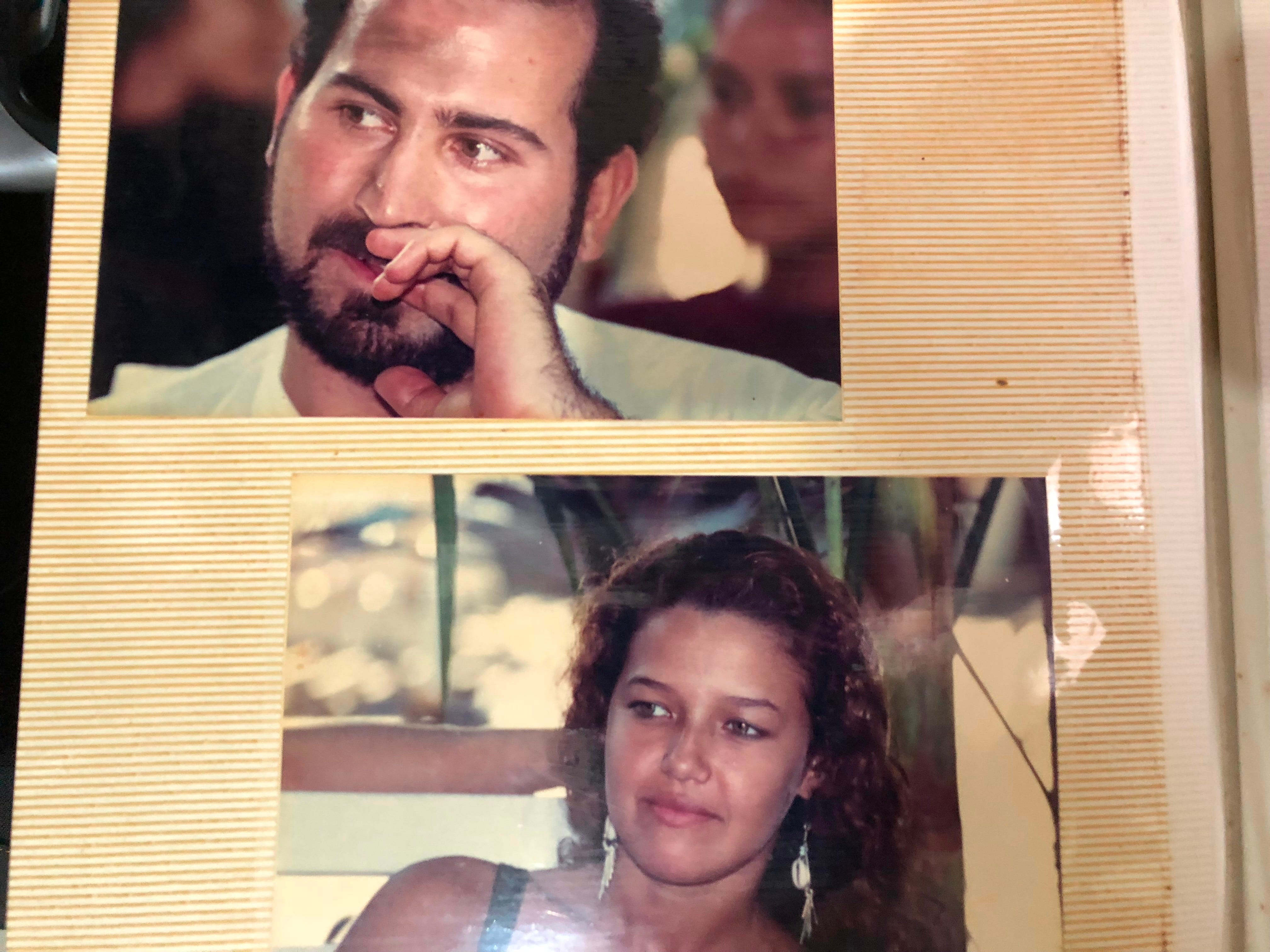
And before any of it begins, we all stand up to sing our anthem — which, by the way, was named the best anthem of the entire 2026 World Cup by The Athletic, The New York Times’ sports publication, out of all forty-eight nations in the tournament. And honestly? We knew that already. Most of us learned to sing it not out of choice but by force — standing in rows in a schoolyard, half-mumbling words like fúlgidos and lábaro that we didn’t understand and still barely do. But somewhere along the way, the obligation curdles into something real. Because while other countries sing about war and blood and battle, ours is basically a love song to itself. Stripped down, it says: we’re independent, we’re resilient, and we are beautiful, hot, and amazing — as we’d put it in Brazil. We are the protagonists of the world, and our anthem knows it. And so by the time it plays before a match, that childhood schoolyard chore transforms — chest full, voice cracking, screaming every word long after the official cut goes silent, because it’s never long enough for us. Did you ever hear the way the stadiums echo when we sing it? We complain endlessly about where we come from — the politics, the corruption, the everyday chaos — but at least we are proud. Fiercely, unreasonably proud. Our current coach isn’t even Brazilian, and yet he sings it with an open chest, hand over heart, like it was written for him. That’s the thing: being Brazilian is fucking contagious. It’s an energy you can’t replicate, can’t recreate, and frankly… It’s just unique.
And yet — there are the ghosts. This year, as always, after being robbed over and over again by Europeans who still claim some kind of superiority over Latin American football, I keep asking why. Why, and why, and why. After twenty years, why does it still feel like Brazil cannot move past the ghosts of its own history? Maybe it’s because we carry 2002 like a treasure and a burden at the same time. Every generation since has been measured against a standard so golden that no team could ever fully live up to it. And so what you really get, every four years, is twenty years’ worth of kids crying in living rooms across the country — kids who don’t fully understand why the adults around them are weeping over a game, but who cry anyway, because grief is contagious too, and because somewhere inside them they already know they’ll be back, hoping for better days. That, more than any trophy, is the inheritance. Not the winning. The hoping. You don’t grieve what you don’t love, and Brazilians love this game the way we love our own families — completely, irrationally, forever. So we’ll be back for the next one. We’ll pull out the old shirts, wake up too early, cook too much food, swear too loudly, and hold our breath all over again. Because for us, it was never really about the trophy. It was about the we.
The 2030 Team — Falta Ser Brasileiro
The Norway game left something sour in my mouth. I watched, and for the first time in a long time, it didn’t feel like my team out there. I knew Brazil was losing, solely on vibes. And that’s what unsettled me most — not the scoreline, but the nerves themselves from the players. What are you nervous about? You are Brazilian. Chin up. We are not a people who tiptoe. We don’t play not-to-lose. And yet there they were, eleven men in the sacred yellow, passing sideways like they were apologising for taking up space on the field. That is not us. That has never been us.
I’ve felt this before, and I know precisely where the fear lives, because I keep a ledger of every heartbreak. Croatia, 2022 — the penalties, the hush that fell over the whole country like a power outage. And I’ll admit something that only makes sense to us: I never let these things go. Since 2010, every nation that has knocked us out holds a permanent place on a list I carry, and I root against them the way you root for a rival’s ruin — gleefully, shamelessly, forever. I can tell you the room I was standing in for each elimination. What I was doing. Who cried first? That’s not obsession; that’s just how Brazilian love works. We don’t file losses away. We keep them close enough to sting.
But here’s what I’ve been turning over lately, and it cuts deeper than any one match. When we lose to a European team, it doesn’t feel like sport — it feels historical. We are a former colony. For centuries, the people who looked like the ones in those other jerseys decided what we were worth, extracted what they wanted, and told us to be grateful. Football is the one arena where that whole arrangement gets flipped on its head — where a nation they once treated as raw material can humiliate them at the thing the whole planet is watching. So when a European team eliminates us and their commentators start murmuring again about “discipline” and “structure” and the supposed superiority of their way, something ancient flares up in me. This was never only about a trophy. It’s about proving, ninety minutes at a time, that the ones they underestimated became the most beautiful footballing nation the world has ever produced. Beating them is our reply to five hundred years. Beating them is our obligation.
Which is exactly why the current caution enrages me. Falta raça. Falta garra. What’s missing isn’t talent — we are drowning in talent. What’s missing is the refusal to be tamed. We’ve spent too long trying to play their game, their tidy European chess (they are so dramatic, you can’t even touch them lol) when our whole genius was always improvisation, audacity, the thing that can’t be coached. Dê-lhe carrinho. Bata. Vai pra cima. Slide in, strike it, go at them — go forward with the raw desire to win that lives in the blood and not the tactics board. Falta ser brasileiro. Remember where you come from. Not just the grandpa’s living room and the seven a.m. anxiety, but the whole inheritance: you are the answer a colonised people gives back to its colonisers, and you give it with a ball at your feet.
Let me tell you how we cheer. For us, it's every Latin American nation, every African nation, every Caribbean nation — that's who we throw ourselves behind. We neither cheer for Europeans nor for Argentina. Full stop. There's a famous clip of an interviewer asking a kid whether he'd ever root for Argentina, and the kid says that if it were Argentina versus Satan, we'd want Satan to win 5-0. It's a meme, but it's also basically the constitution. We only ever back a European team as an absolute last resort — like 2026's final, Spain against Argentina, where we're stuck choosing between two teams we can't stand. And even then, it feels sour, nasty, wrong in the mouth, because the Spanish are the ones who colonised half the continent and now act desperate to be counted as Latinos themselves. So we hold our noses, pick a side, and hate every second of it.
And here’s where I land — with Ancelotti. I hope he reads this, and I mean it when I say we believe in him. Maybe the reason a foreigner is what we need is that he’s untouched by our ghosts; he can look at this team without twenty years of grief clouding his eyes. We can forgive that he is Italian, just like we can forgive cheering for Spain as opposed to Argentina. But I’d ask him to understand the one thing no outsider can be taught: this team doesn’t need to be organised into greatness. It needs to be unleashed into it. Permit them to be reckless, to be ours again.
So no — despite the sour taste, I haven’t stopped believing. I was raised to believe against all evidence, and I’m not about to quit now. I believe in 2030. I believe a kid somewhere is about to feel her father lift her to the ceiling for the first time. I believe I’ll be right there when it happens, chin up, chest full, voice already gone. Play com raça, com garra, com amor — play like Brazilians, like the descendants of everyone they said would never amount to anything — and the whole world will feel the ground shake. Vai, Brasil. I believe in you. I always will. I am proud to be from where I am from.
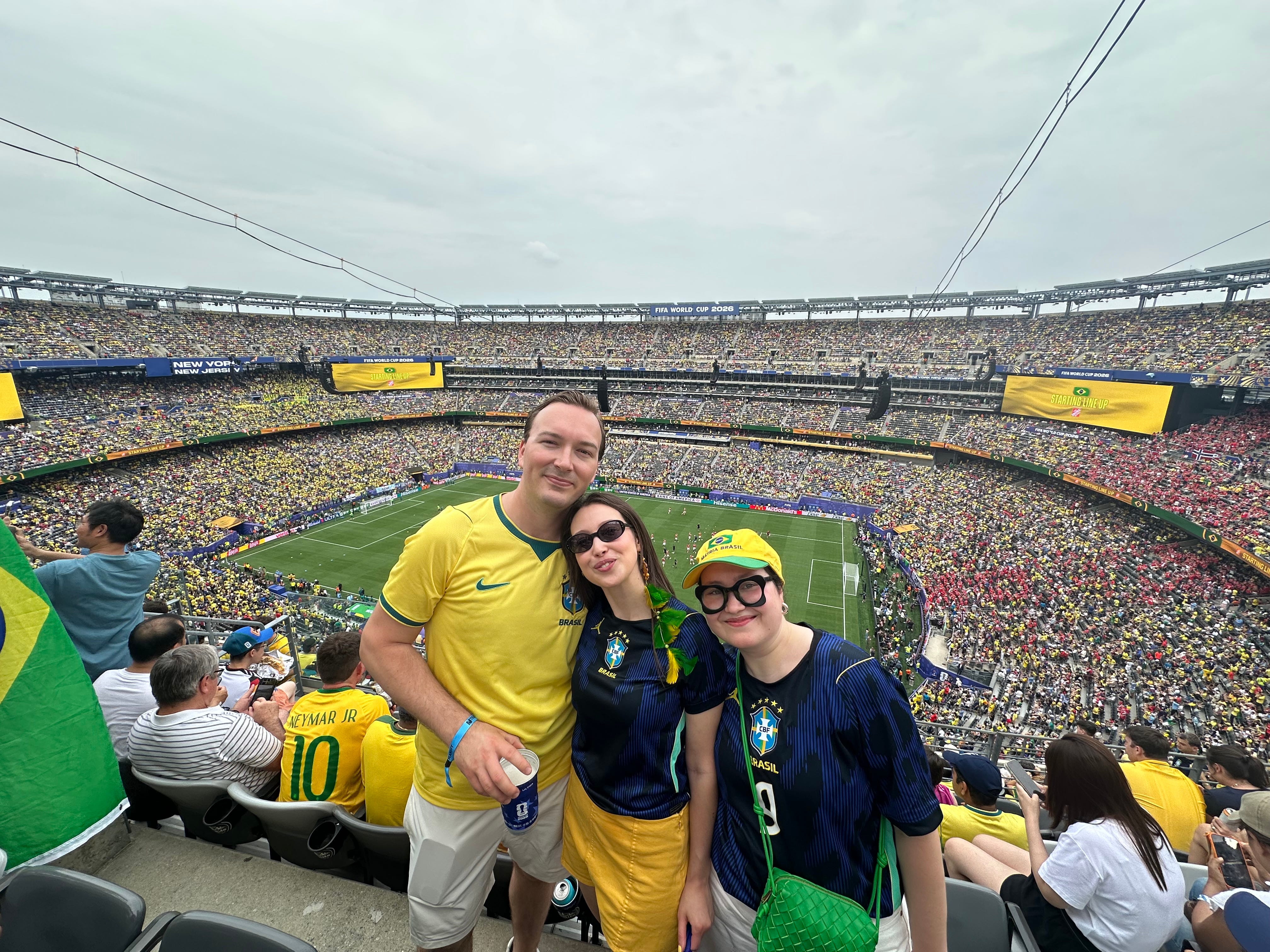
 | A guest post by
|